The World's #1 Direct Seller of Galapagos Tours
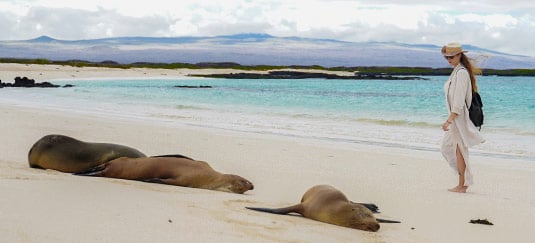
Explore the Galapagos Islands with one of our amazing tours. Cruise, Scuba Dive, island hop, stay in a hotel and explore nearby islands -- choose how you want to experience the Islands! Don't forget, Galapagos Travel Center is here to help you customize your perfect trip.

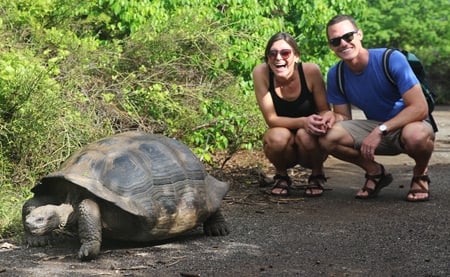
Top 10 Galapagos Best Selling Cruises & Tours
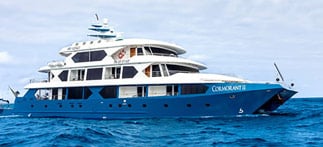
A new luxury mega-catamaran equipped with ample cabins and the most sophisticated design.
4, 5 & 8 day cruises
From US$5,145 p/person (4D/3N)
View Cruise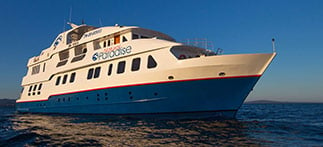
A luxury yacht customized to carry 16 guests in comfort and safety through Galapagos.
4, 5 & 8 day cruises
From US$2,945 p/person (4D/3N)
View Cruise
Enjoy some of the best views from Santa Cruz and Isabela, plus two more of the Galapagos islands.
8 Days / 7 Nights
From US$2,653 p/person
View this Tour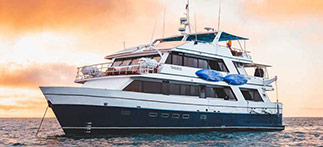
This yacht gathers the best features of her class and hosts 16 guests in spacious staterooms.
7 and 5 day cruises
From US$2,343 p/person (5D/4N)
View Cruise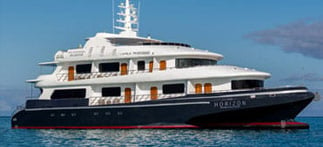
A luxury trimaran that provides an intimate experience on board with a touch of elegance and comfort.
4, 5 & 8 day cruises
From US$4,045 p/person (4D/3N)
View Cruise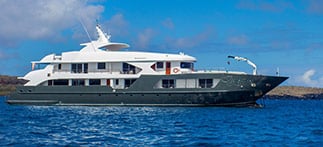
This vessel can host up to 20 passengers in ample and comfortable cabins equipped with private balconies.
4, 5 & 8 day cruises
From US$3,945 p/person (4D/3N)
View Cruise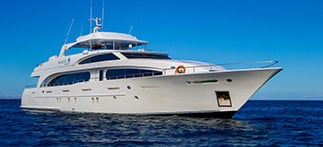
Grand Majestic is the only modern mega-yacht cruising the Galapagos archipelago.
8, 5 & 4 day cruises
From US$3,450 p/person (4D/3N)
View Cruise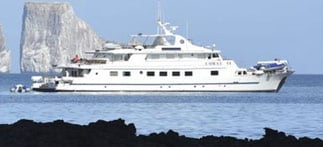
These sister ships are the perfect combination of classic beauty and exquisite style.
4, 5 & 8 day cruises
From US$1,733 p/person (4D/3N)
View Cruise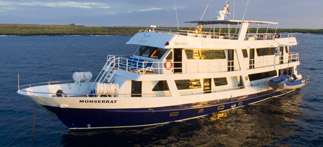
Calipso features modern cabins with all the essentials and beautiful social areas.
4, 5, 7 & 8 day cruises
From US$2,030 p/person (4D/3N)
View Cruise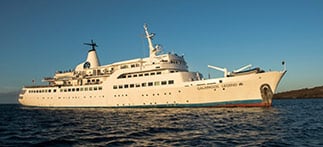
This 100-pax luxury ship is equipped with five decks, a swimming pool and library.
4, 5 & 8 day cruises
From US$1,841 p/person (4D/3N)
View CruiseSee all Galapagos Tour Options

Traveler Reviews
Galapagos, Quito, Otavalo, Rainforest
"The whole trip was planned by this tour company and was excellent throughout. We toured the city of Quito, the highlands, the Galapagos on a cruise, and the rainforest ... This was a great trip with good value for the money as well."
Maureen C
Boulder, Colorado
Traveler Reviews
Amazing time in the Galapagos
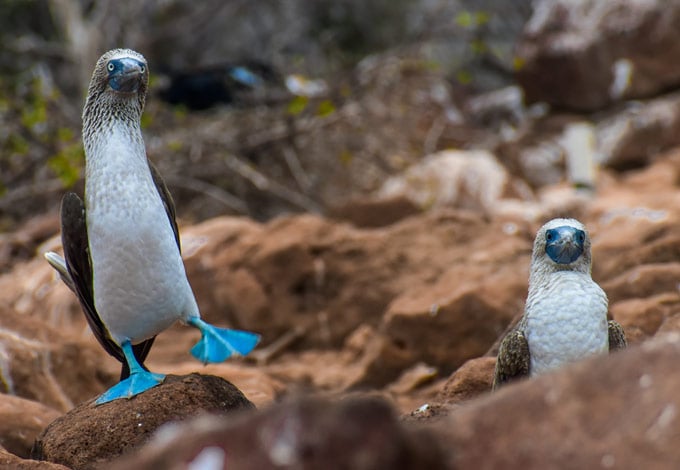
"Great time visiting the Islands with a pretty packed schedule. Very happy with the time of the visit as we got to see most if not all the animals we could see. Every day offered a new excitement."
645jj
Santa Fe, New Mexico
Traveler Reviews
Virtually Flawless Trip Planning, Execution and Support
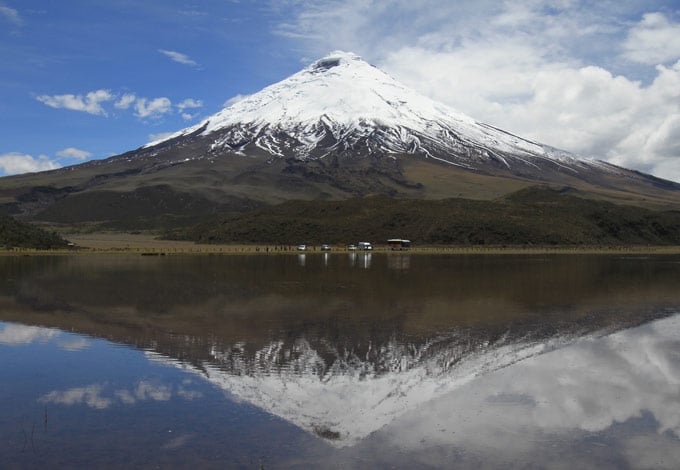
"Gabriela at galapagosislands.com put together a great itinerary for us that included a yacht cruise of the Galapagos Islands aboard the Natural Paradise, Quito, Cotopaxi Volcano, and the Napo river aboard the Manatee."
Wetravelllots
San Francisco, California
Traveler Reviews
Amazing Time
"This company from start to finish was great. My friend and myself basically had to book flights and the rest was done for us - and we could have even had that done for us too ... Highly recommend this agency!"
Annie E
Nuremberg, Germany