
By Galapagos Travel Center

December is a month of transition, moving from a cold and dry weather to warm and rainy one. This change can be observed throughout the month.
December is a month of transition, moving from a cold and dry weather to warm and rainy one. This change can be observed throughout the month.
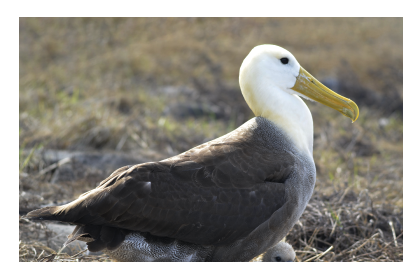
Albatross first fligth
An Española Island, you will be able to see albatross chicks, which are beginning to grow feathers and prepare for their first flight.
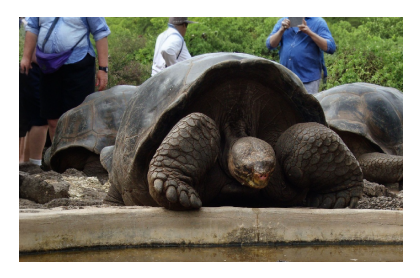
Turtles everywhere
While giant turtle eggs begin to hatch in the wild, green turtles become more abundant and visible.

December marks the start of the warm season in the Galapagos, with warmer seas ideal for swimming and diving. Clear skies, light winds, and brief rains help the islands bloom again.

82°F
(28°C)

75-77°F
(24-25°C)

2.4 inches
(70 mm)
Albatross first fligth
An Española Island, you will be able to see albatross chicks, which are beginning to grow feathers and prepare for their first flight.
Turtles everywhere
While giant turtle eggs begin to hatch in the wild, green turtles become more abundant and visible.
December marks the start of the warm season in the Galapagos, with warmer seas ideal for swimming and diving. Clear skies, light winds, and brief rains help the islands bloom again.
82°F
(28°C)
75-77°F
(24-25°C)
2.4 inches (60 mm)
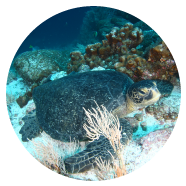
Green turtles are the only species of sea turtle that nest in the Galapagos. They can grow up to 4.921 feet long, and weigh 441 pounds.

While snorkeling, there is a good chance you will encounter a sea turtle. They are curious and docile, and constantly swim around people.

Their main diet consists of seagrass and algae, but younger ones may also feed on jellyfish and small invertebrates.

Habitat loss, climate change, pollution, and fishing threaten sea turtles. Only one in 1,000 eggs survives. Research, monitoring, and education improve these odds. Ecuadorian law and international agreements protect them, banning fishing and plastic in Galapagos, but continued collective effort remains essential.

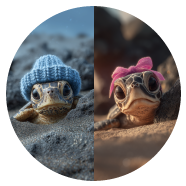
A turtle’s gender depends on sand temperature: warmer sand produces mostly females, while cooler sand results in mostly males.

Bring lightweight clothing and sun protection for daytime excursions, and consider packing reef-safe sunscreen for snorkeling warmer seas and clear waters enhance the experience.