
Albatross Return to Española

March is in the middle of the warm season in the Galapagos, with many sunny days accompanied by occasional rain and some humidity.
March is in the middle of the warm season in the Galapagos, with many sunny days accompanied by occasional rain and some humidity.
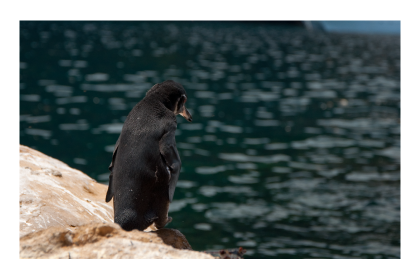
At the end of March, you can see the return of the albatross to Española Island. After three months of feeding, they finally return to nest.
Frigatebird Courtship Display
Male frigatebirds will try to impress females with their swollen red pouches, attempting to find a mating partner.

In March, warm sun and occasional rains turn the Galápagos into a lush green paradise. Abundant food boosts activity among giant tortoises, Darwin’s finches, land iguanas, and other terrestrial birds, making wildlife encounters especially dynamic and rewarding during this vibrant season.

86°F
(30°C)

77°F
(25°C)

3.5 inches
(90 mm)
Iguana Season Begins
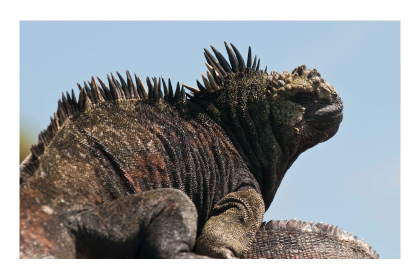
This is an active month for iguanas: while land iguanas are just beginning their mating season, marine iguanas are starting to take on brighter colors.
The Nesting Season Begins
Once the first rains of the month begin in the Galapagos, land birds, such as Galapagos finches, begin to nest.
February is warm and humid in the Galapagos, with strong tropical sun and brief heavy showers. Though often the rainiest month, rainfall passes quickly. A light rain jacket is advisable, as showers rarely disrupt daily activities or planned excursions significantly.
86°F
(30°C)
77°F
(25°C)
3.5 inches (90 mm)
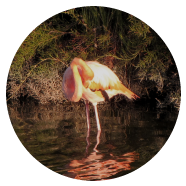
In February, flamingos begin building their distinctive conical nests. They are highly cautious, and if a nest is disturbed in any way, it may be abandoned.

Flamingos can be spotted in several areas across the archipelago, with the largest colonies found on Santa Cruz, Rábida, Floreana, Santiago, and Isabela Islands.
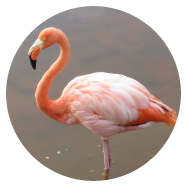
Although flamingos are gregarious birds that live in colonies, it’s best to observe them from a respectful distance, as they can be quite shy around people.

In 2012, following a rodent eradication campaign on Rabida Island, a recovery in the flamingo population was observed. In 2022, a family of flamingos nested on the island, demonstrating the effectiveness of the process.

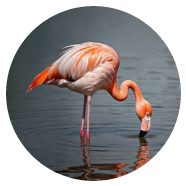
Flamingos can only feed with their heads down, using their curved beaks to filter mud and food.

In February, pack a light rain jacket for brief showers, high-SPF sunscreen for intense sun, and lightweight quick dry clothing to stay comfortable during warm, humid Galapagos excursions daily.