

A Lively Start to the Year
Along with the growth of flora, January is a wonderful month for land animals.
A Lively Start to the Year
Along with the growth of flora, January is a wonderful month for land animals.
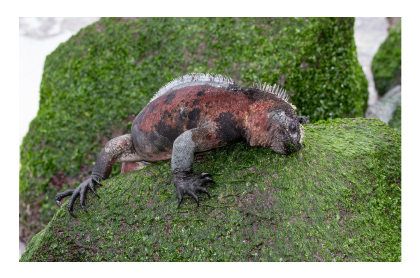
Iguana Season Begins
This is an active month for iguanas: while land iguanas are just beginning their mating season, marine iguanas are starting to take on brighter colors.

The Nesting Season Begins
Once the first rains of the month begin in the Galapagos, land birds, such as Galapagos finches, begin to nest.

January is a warm and humid month, allowing the plants on these islands to grow and turn them into a beautiful green paradise.
Although warmer waters mean fewer nutrients to feed on, it is still an ideal month for snorkeling.

86°F
(30°C)

76°F
(24°C)

1 inches
(25 mm)
Iguana Season Begins
This is an active month for iguanas: while land iguanas are just beginning their mating season, marine iguanas are starting to take on brighter colors.
The Nesting Season Begins
Once the first rains of the month begin in the Galapagos, land birds, such as Galapagos finches, begin to nest.
January is a warm and humid month, allowing the plants on these islands to grow and turn them into a beautiful green paradise.
Although warmer waters mean fewer nutrients to feed on, it is still an ideal month for snorkeling.
80°F
(30°C)
76°F
(24°C)
1 inches (25 mm)


Easily recognized by their unique head shape, they have 360° vision to scan the ocean and capture prey efficiently around.

You’ll need a bit of luck while snorkeling to see a hammerhead shark, but it’s precisely that low probability that makes it such a special occasion.
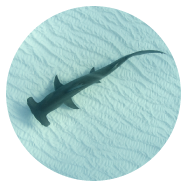
Due to their high metabolic rate, hammerhead sharks need to consume a large amount of food every day.

Hammerhead sharks face threats from illegal finning and accidental capture. Conservation initiatives track pregnant females to identify breeding grounds, understand migrations, and strengthen protection along Central and South American coasts. Protect the future of the hammerhead shark through science, awareness, and collaboration.


They have 360° vision, but in reality they have a blind spot right in front of their nose, and sometimes fish hide there to avoid being eaten.

In January, Galapagos’ warm, humid weather calls for lightweight breathable clothing, a swimsuit for snorkeling in warm waters, and a light waterproof jacket for brief rain and wind.