

March is in the middle of the warm season in the Galapagos, with many sunny days accompanied by occasional rain and some humidity.
March is in the middle of the warm season in the Galapagos, with many sunny days accompanied by occasional rain and some humidity.
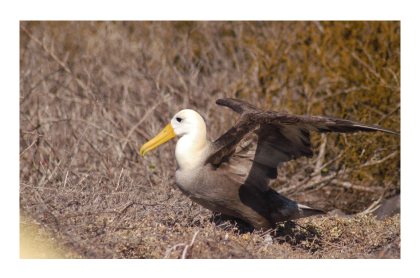
At the end of March, you can see the return of the albatross to Española Island. After three months of feeding, they finally return to nest.
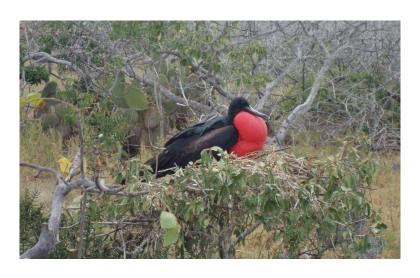
Frigatebird Courtship Display
Male frigatebirds will try to impress females with their swollen red pouches, attempting to find a mating partner.

In March, warm sun and occasional rains turn the Galapagos into a lush green paradise. Abundant food boosts activity among giant tortoises, Darwin’s finches, land iguanas, and other terrestrial birds, making wildlife encounters especially dynamic and rewarding during this vibrant season.

86°F
(30°C)

77°F
(25°C)

3.5 inches
(90 mm)
Albatross Return to Española
At the end of March, you can see the return of the albatross to Española Island. After three months of feeding, they finally return to nest.
Frigatebird Courtship Display
Male frigatebirds will try to impress females with their swollen red pouches, attempting to find a mating partner.
In March, warm sun and occasional rains turn the Galapagos into a lush green paradise. Abundant food boosts activity among giant tortoises, Darwin’s finches, land iguanas, and other terrestrial birds, making wildlife encounters especially dynamic and rewarding during this vibrant season.
86°F
(30°C)
77°F
(25°C)
3.5 inches (90 mm)

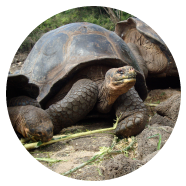
Thanks to the exuberant vegetation in March, the chances of spotting giant tortoises in the highlands increase. Meanwhile, in the lowland areas, hatchlings continue.

You can find them on Santa Cruz Island, on farms in the highlands where they are monitored in their natural habitat. They can also be seen on San Cristóbal Island, which is home to a completely wild population.
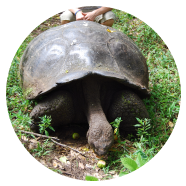
Living up to their name, these are the largest living tortoises in the world, weighing up to around 661 pounds and measuring up to 5.9 feet in length

Galapagos giant tortoises face invasive species, past hunting, and rapid habitat loss. Through captive breeding, ecological restoration, and nest protection, organizations like the Galapagos National Park support population recovery and ensure the survival of these iconic giants.


In March’s warm, green Galapagos, pack lightweight breathable clothing, a waterproof jacket for occasional rains, and sturdy walking shoes to explore active wildlife under 30°C sun and humid conditions comfortably.