
In true Galapagos fashion, this story feels like something out of a fantasy world. The news quickly spread across the globe. In February 2026, 158 tortoises with strong Floreana lineage were released back onto the island. Once thought extinct, their return marks a major milestone after decades of work involving many organizations and institutions.
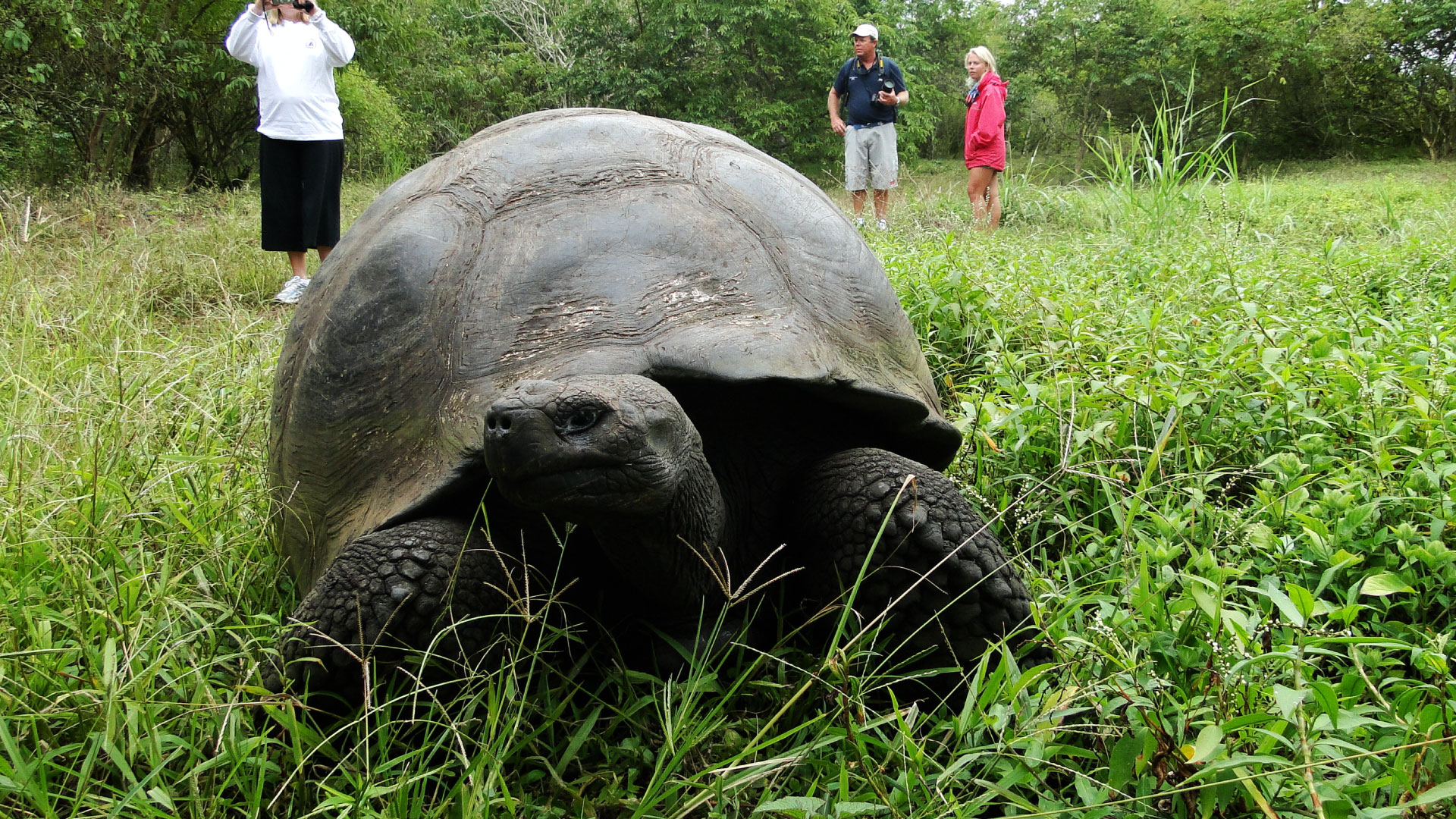
The History Behind the extinction
Back in the 1800s, the island’s tortoise population was on the brink of collapse. Whalers, pirates, and merchants hunted tortoises as a food source for long voyages. Uncontrolled human activity, along with the introduction of cats and rats, severely impacted the population. With the tortoises gone, Floreana’s ecosystem began to collapse. These iconic species play a vital role in maintaining ecological balance.
Hope in the Form of a Tortoise Shell
In the early 2000’s, experts on a field trip in Isabela island observed some tortoises with some saddle characteristics different from the ones they are used to seeing in the area and after some DNA studies it was confirmed that some tortoises had Floreana lineage in them.
Years later, a party of park rangers and scientists returned to Isabela to locate some of the individuals of the Floreana lineage. Of 144 tortoises with a saddlebacked shell that they encountered, they identified more than 30 animals with particularly pronounced shells and transported them to the captive breeding centre on Santa Cruz Island.
A Team Effort
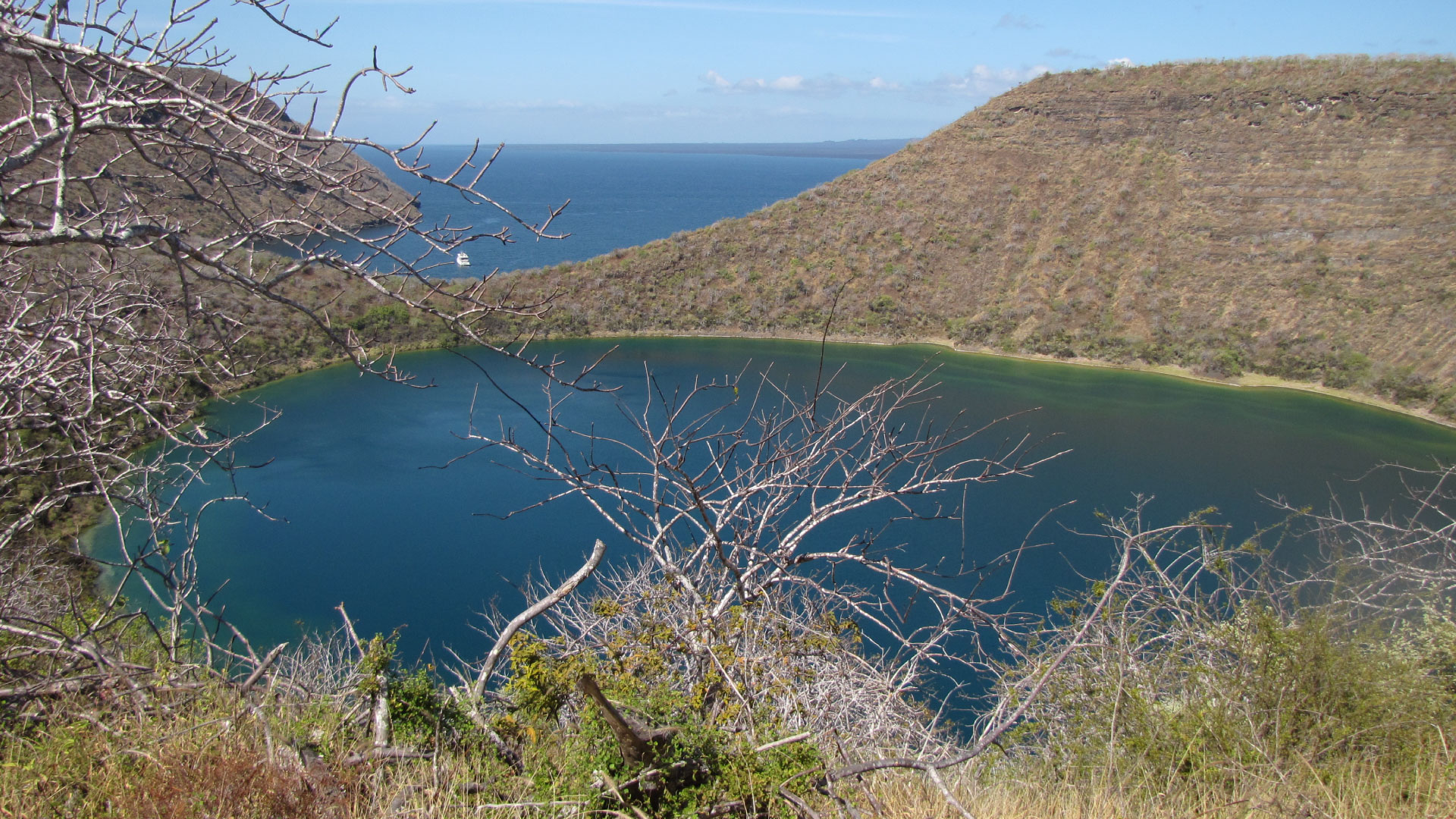
The Floreana Ecological Restoration Project was launched in 2012 to restore the island’s ecological health. Led by the Galápagos National Park Directorate, with the support of conservation partners such as Fundación Jocotoco, the Charles Darwin Foundation, and Galápagos Conservancy, the project carries out a range of initiatives. These include the 2023 invasive species eradication effort, which delivered significant benefits to Floreana’s farming community, as well as the reintroduction of native wildlife species such as the Galapagos rail and now the Floreana tortoises.
Coming Home
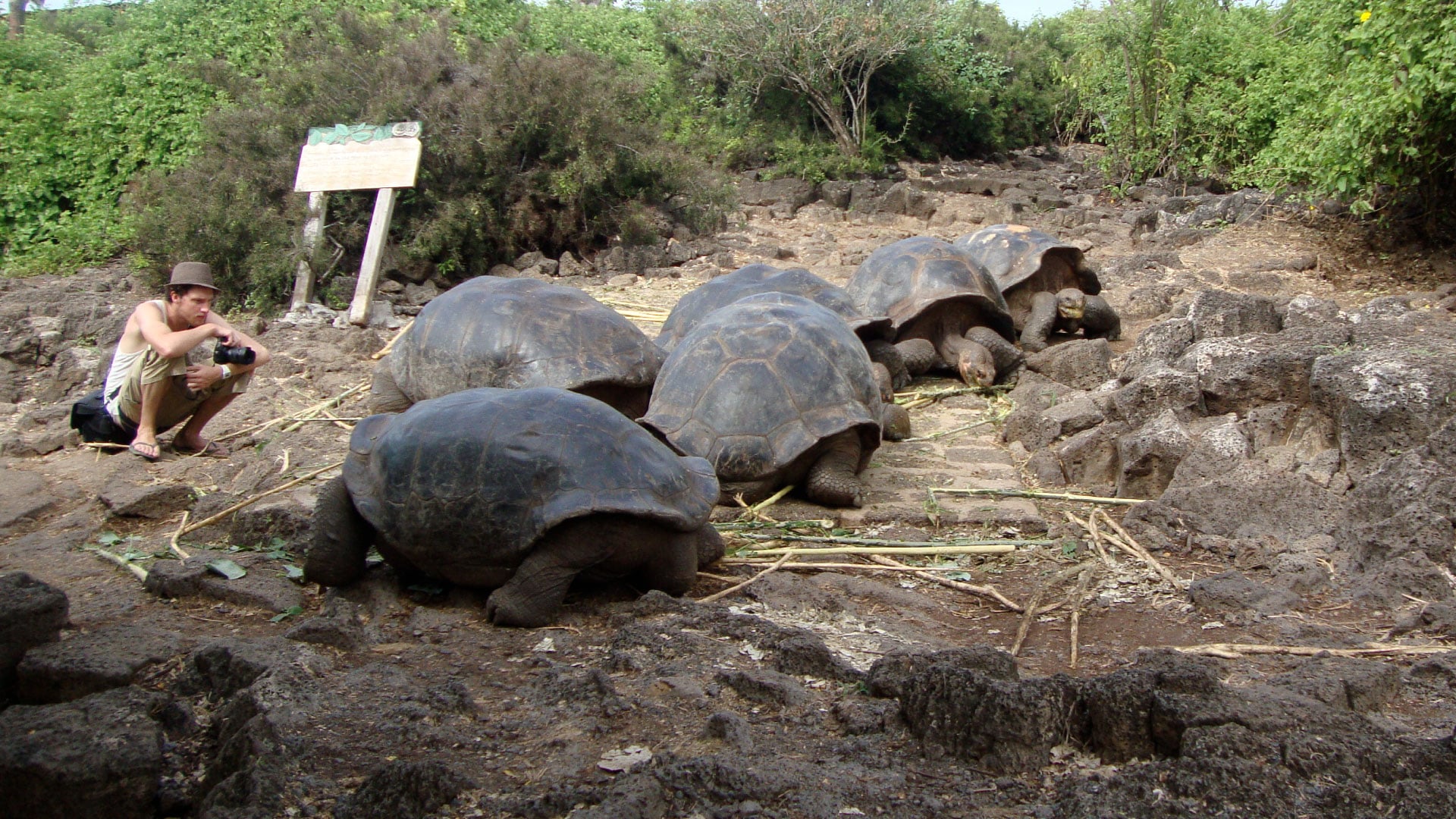
After years of scientific research, a carefully managed breeding program, ongoing health screenings, and habitat preparation, the moment finally arrived. On February 20, 2026, 158 Floreana lineage giant tortoises once again walked freely in their natural habitat. Check these inspiring pictures of Galapagos Conservancy.
Source: Fundación Jocotoco
Why is This So Important?
Beyond the emotional impact of seeing these gentle giants back where they belong, their ecological role is essential. By roaming freely and dispersing seeds, tortoises help maintain diverse plant communities and regenerate degraded habitats, just like those on Floreana.
This inspiring milestone is powerful proof that conservation efforts truly make a difference across the Galápagos Islands, even on inhabited islands.Learn how your Galapagos trip supports conservation across the archipelago.
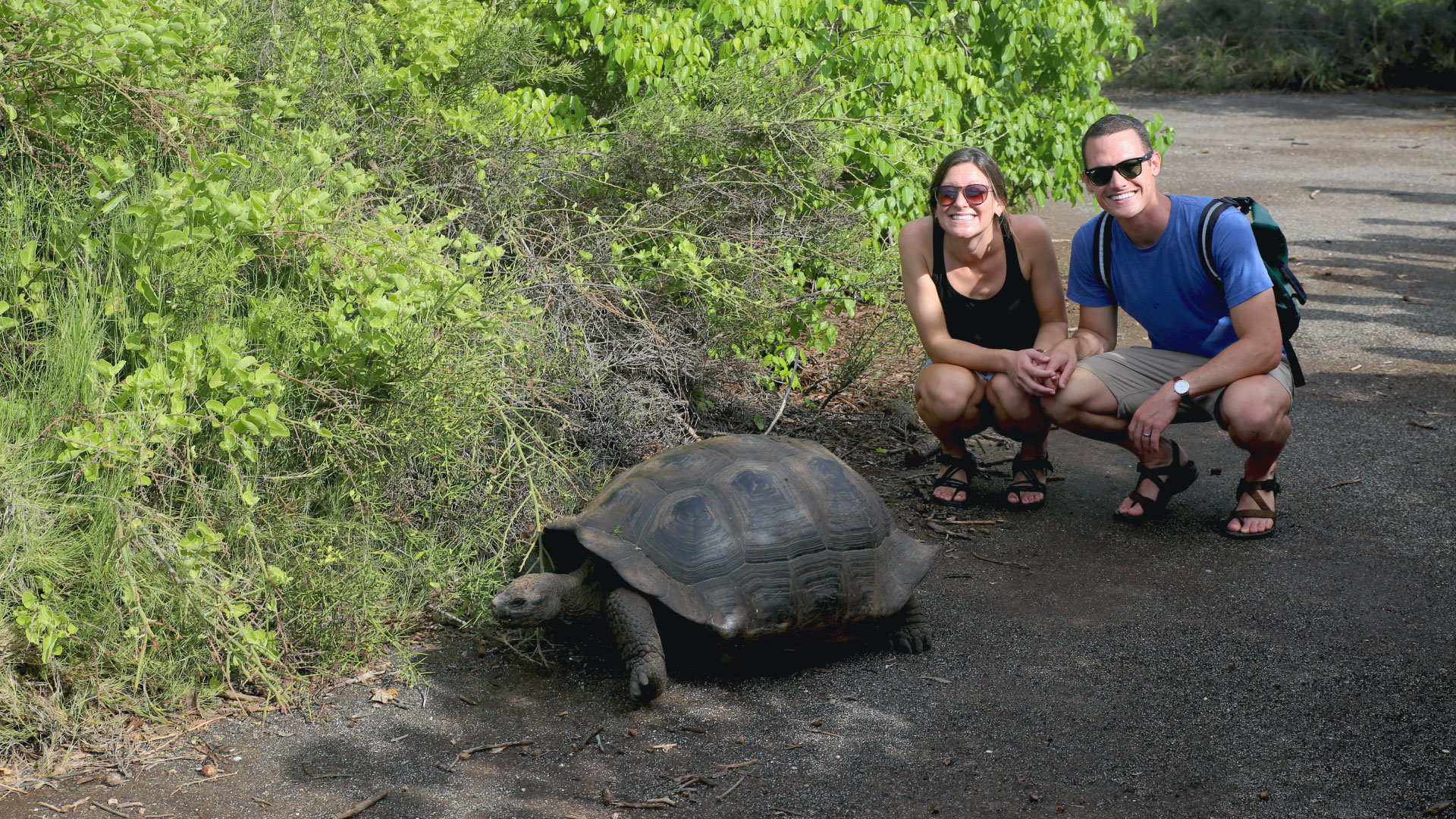
Ready to observe giant tortoises up close? Speak with a trip advisor today.