Galapagos Islands .com
  For Galapagos trip enquiries, call us toll free
1-877-986-6435
1-877-667-7445
Free Online Trip Planner
The best way to plan your Galapagos Islands Adventure.
Galapagos Cruises Promotions
SAVE money with our
BEST PRICES!!
Galapagos Overview
Conservation
Galapagos Islands Map
Galapagos Climate
Natural History
Human History
Wildlife Picture Gallery
 
Galapagos Islands Cruises
 
Galapagos Adventure Travel
 
Peru Trip Extensions
 
Amazon Jungle Tours
 
Ecuador Trip Extensions

Call Us:

  • 1-877-986-6435
  • 1-877-667-7445
  • +44-020-8144-9243
  • +44-080-0051-3847
  • +49-0366-2845-3321
  • +33-970-407-498
  • +61-2-8005-8069
  • +41-22-575-2078
  • +593-2-252-3223
  • +593-2-290-7556

Home > About the Galapagos > Human History of the Galapagos Islands

Human History of the Galapagos

Stone Carved by pirates on GalapagosGalapagos Visited by the Incas?
The While there has been some speculation that the Incan culture made an early visit to the Islands in the 1400, many historians attribute the possible journey of the Inca Tupac Yupanqui to the Easter Islands, and lacking documentation, this theory is widely dismissed.

Tomas de Berlanga -
Official Discoverer of the Galapagos

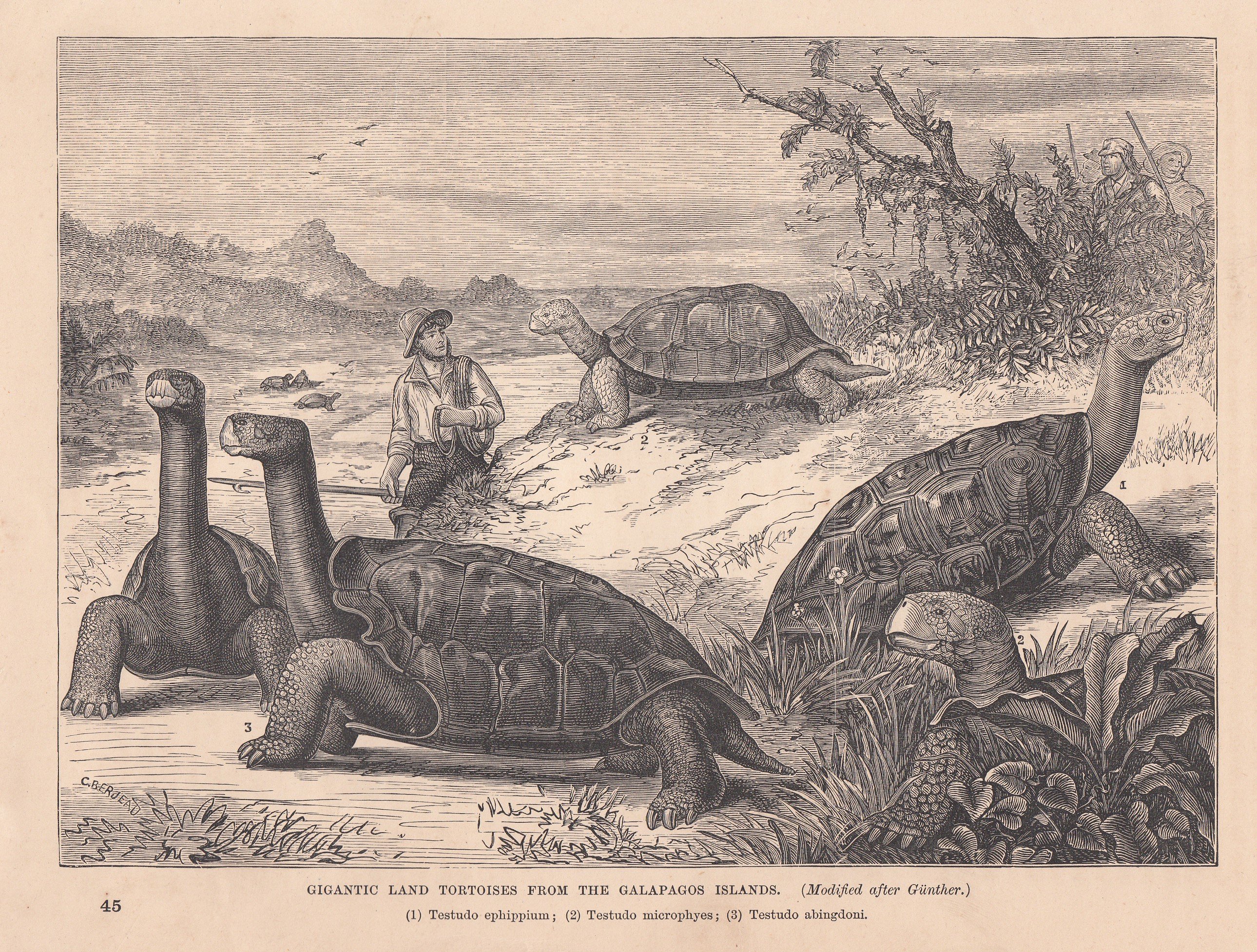
Fray Tomas de Berlanga, the Bishop of Panama documented the officially first visit to the islands in 1535. Delegated to investigate the accounts of the barbaric actions of the conquistadors in what is now Peru, his ship, caught in a dead calm, drifted westward in the ocean currents. With water sources depleted, the Bishop and crew searched the new islands for fresh water, almost entirely in vain. Frustrated, and suffering, the men resorted to crewing the native cactus for water. Disenchanted, they left the islands, but not without sending word to King Carlos V of Spain, telling of the strange and foolishly tame wildlife and the numerous galapagos (giant tortoises), and the name stuck. The islands appeared on the map late in the 16th century as the "Insulae de los Galopegos."

Refugees of Pizarro
Also motivated by the conquistadors on the continent, another group of lost sailors dubbed the islands with another name. In 1546, a group of insubordinate soldiers of Pizzaro attempted what might have been South America's first coup de ta. Vanquished and exiled from the continent, the upstarts had little to no nautical training and were taken, much like other animals that were also transported there, by the currents until they came in sight of the Galapagos. With their limited maritime skills, the ruffians attempted to arrive at the islands by sight. Peering through fog and carried by currents, they felt as though the islands themselves were moving, that they were enchanted and named them "Las Islas Encantadas."

Post Office BayBuccaneers and Whalers
Not all visitors to the Galapagos arrived by accident. Many used the islands into way station and ports of call. During the long hostility between the English Navy and the Spanish Armada, English gave a sort of support to the buccaneers who sacked Latin American ports and seized galleons by not persecuting them. These pirates used the uninhabited islands as base and refuge after raids. Establishing ports (such as Buccaneer Cove at Santiago Island), they found the islands useful for gaining occasional fresh water and stocking up on fresh food. Upon discovering that the giant tortoises could be stacked upside down and live for up to a year without food, many passing ships went ashore to gather the fearless animals for meat during voyages. One English buccaneer, William Ambrose Cowley, drew up the first basic navigational charts in 1684. Like other buccaneers, he named many of the islands with the names of English royalty - James, Albemarle, etc. Over the years, divers have occasionally found evidence of buccaneers on the Galapagos, such as large jars found. Dive and you might discover a galleon's precious coffers!
The buccaneers were not the only to use the islands as bases for operations. In the 1800's, as South America became increasingly independent of Spanish rule and open to trading, mercantile vessels such as whaling ships came to the islands, especially Floreana. Hunting the populations of sperm whales in the South American seas, the whalers had lasting effects upon the islands that are still apparent today: the reduction of elephant tortoises, the near extinction of sperm whales and the unofficial Barrel Post Office on Floreana.

A tradition continued by tourists today, the office was abandoned wine cask in which outgoing sailors placed letters. Sailors returning to the port of the letters address would take it there out of kindness. While the original cask has been destroyed, the park service has replaced it and tourists today can continue the tradition, leaving postcards for friends and taking some back to send.
First settlers of the Galapagos IslandsThe First Colonists
In 1807, Galapagos received its first resident. Irishman Patrick Watkins arrived on the island of Floreana marooned at sea. For two years he lived from growing vegetables, sometimes trading them with passing whaling ships for rum. Eventually he stole a ship's longboat, taking some of the sailors with him, however only he arrived at Guayaquil on the continent. Another famous visitor, Herman Melville recounts the tale in his stories The Encantadas.

With Ecuadorian independence, the fledgling country annexed the islands 1832, renaming them the "Archipielago del Ecuador." At that time, the English pirate names changed to traditional Spanish names and patriotic Ecuadorian names, such as Floreana named after General Flores.

The first governor of the islands was the entrepreneurial and misdirected Jose Villamil. His ill-fated projects for the islands include a penal colony for mutining soldiers and common criminals, cultivation of guano from boobies, and an attempt to extract coal from San Cristobal. While almost all of his projects failed, the port on Isabela bears his name.

One settlement that formed in the 1930's is perhaps almost as intriguing as the wildlife. A German doctor of curious tastes, Friedrich Ritter, practiced what would today be called holistic medicine. Removing all of his teeth to avoid any dental complications and bringing Dore Strauch, his patient suffering from multiple sclerosis, Dr. Ritter arrived at Floreana in 1929. There they set up a gardening utopia that was quite successful. Soon two more Germans –Hienz and Margaret Wittmer-- joined them, at the location if not in friendship. There they lived in a standoffish harmony, until the arrival of "The Baroness." An Austrian woman going by Baroness Eloisa von Wagner Bosquet, dressed with with whip, revolver and black boots, brought with her three apparent love-slaves/servants: two Germans and an Ecuadorian. From this point, disputes arose between the motley settlers –usually blamed on the Baroness, and soon a series of mysteries, to this date unsolved, occurred. One day the Baroness and one of her servants told the Whitters that they were bound for South East Asia. They were never heard from again. The other German servant, secured a passage on a boat headed for Guayaquil. He was found mummified on the beach of Marchena Island with the body of the ship's captain. The same year, Dr. Ritter, a vegetarian, died of food poisoning from spoiled chicken.

With the construction of the Panama Canal, the strategic importance of the Galapagos became more apparent. As Japan's empire advanced into the Pacific, the concerned U.S. was allowed to construct an airstrip and small naval base on the island of Baltra. The island was returned to the Ecuadorian government after the war and TAME (Transporte Aereo Militar Ecuadoriano) now makes use of the airstrip to bring visitors from the continent.

Galapagos National Park Founded
1959, precisely one hundred years after the publication of Darwin's Origin of the Species, Ecuador declared the islands its first national park, preserving whatever land that was not already settled for protection. Five years later the Charles Darwin Research Station was opened outside of Puerto Ayora on Santa Cruz. Working with the Nation Park Office, the station conducts research and determines courses of action to protect the islands. The Park office then implements many of these policies, constructing and marking trails for the visitor sites as well as regulating boats and visitor limitations.

Tourism in the Galapagos
Tourism in the Galapagos has grown considerably in the last few decades. From the 4000 visitors in 1970, the number of tourists has grown to roughly 60,000 per year. Of course as the number of visitors increases, the impact to the preservation of the islands becomes greater.

Call us toll free: 1-877-986-6435. Office Hours: 8:30am-6:00pm (GMT -5)
EcuadorCarbon OffsetsGalapagos Conservation TrustSimon Bolivar Spanish School
AerogalFEIGTame
FootprintPetit FutéPeruPeru Travel Guide Book by VIVA
Galapagos Flights
Get discounted flights to the Galapagos Islands!
Galapagos Adventure Travel
Adventure Travel in Ecuador and the Galapagos Islands
Home | About Us | About the Galapagos Islands | Galapagos Promotions | Galapagos Islands Trips | Galapagos Travel Info | Ecuador Trip Extensions | Contact Us

Galapagos Tours:
Galapagos Trip Planner

Galapagos Tour Packages
Galapagos Charters and Groups
Luxurious Cruises & Tours
First Class Yachts and Cruises
Mid-Range Vacations
Low Priced Vacations
Adventure Sports Travel
Large vs. Small Galapagos Boats
Galapagos Diving
Galapagos Snorkelling
Galapagos Tour Extensions:
Ecuador Tours

Peru Tours
Amazon Rainforest Tours

Ecuador Hotels, Haciendas and Lodges:
Quito Hotels & Quito Travel Guide

Galapagos Hotels
Cuenca Hotels

Haciendas of Ecuador
Ecuador Hotels @ VIVA Travel Guides
About the Islands:
Galapagos Islands Overview

Map of Galapagos

Galapagos Conservation Galapagos Weather
Natural History
Human History
Galapagos Geology
Charles Darwin in the Galapagos
Evolution and the Galapagos Islands
Galapagos Links
Galapagos Animals Photo Gallery
Planning your Galapagos Islands Tour:
Galapagos Flights and Land Transportation
Pre-trip checklist
When to Go
FAQ
Galapagos Newsletter
About Us
Contact Us

Privacy Policy © 1998-2010.
Member of the Ecuador Explorer.com guide to Ecuador , Quito and the Galapagos Islands
